
Cryptocurrency and the MiCA Regulation: A New Stage of Regulation in Europe
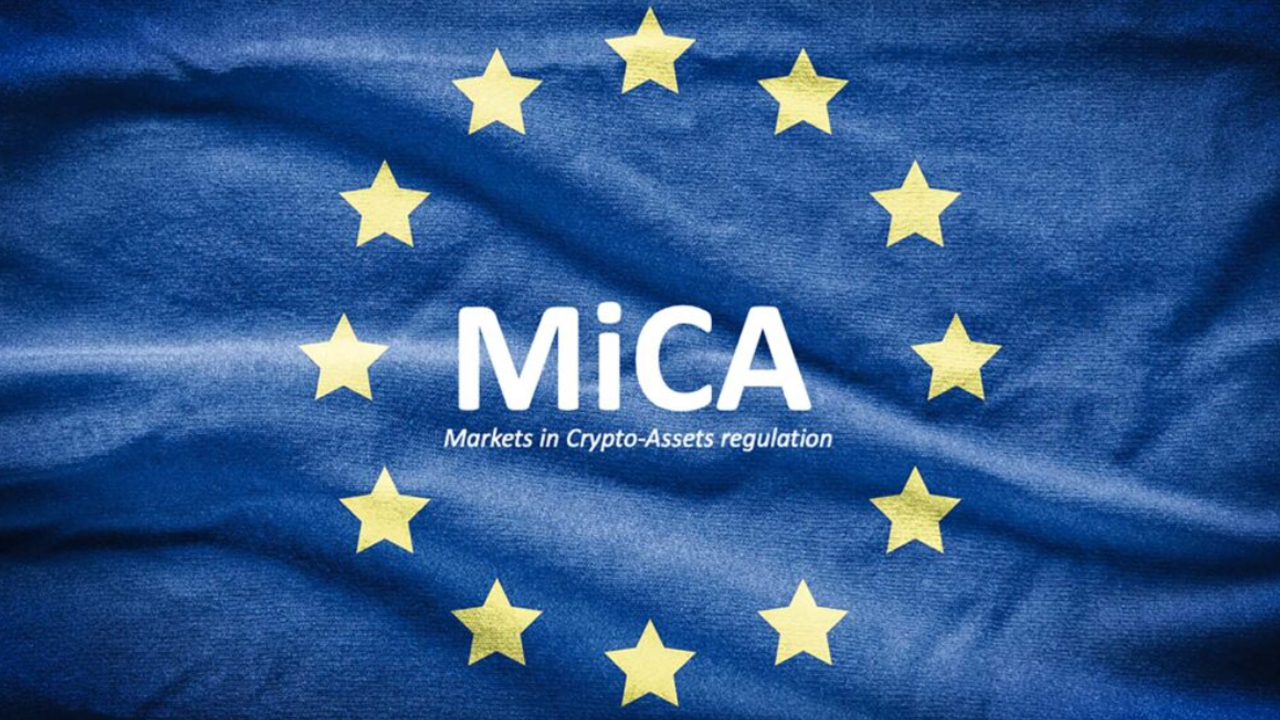
Cryptocurrency and the MiCA Regulation: A New Stage of Regulation in Europe
Cryptocurrencies such as Bitcoin and Ethereum have become an integral part of the financial world. Their popularity has grown in recent years, attracting investors and regulators alike. In response to the rapid development of the crypto industry, the European Union introduced MiCA (Markets in Crypto-Assets), a regulation designed to establish clear rules for the crypto-asset market.
What is MiCA?
MiCA legislation was proposed by the European Commission in 2020 and became part of a broader strategy to create a single digital market in the EU. MiCA’s main goal is to provide legal certainty for crypto-market participants, protect investors and prevent financial crimes such as money laundering and terrorist financing.
Key provisions of MiCA
Regulation of crypto-asset issuers: The regulation requires companies that issue crypto-assets to register and comply with specific standards. This includes providing transparent information about the project, its risks and investors’ rights.
Asset classification: MiCA introduces different categories of crypto-assets, including stablecoins, which must meet strict reserve and liquidity requirements.
Investor protection: The regulation protects investors’ rights by ensuring transparency about crypto-assets and their risks. Issuers must provide detailed white papers before issuing tokens.
Market supervision: Regulators receive broader powers to monitor crypto-asset activity and identify potential violations. These powers include conducting inspections and imposing penalties on offenders.
Innovation and competition: Despite its strict rules, MiCA also aims to support innovation in blockchain and crypto-assets by creating conditions for healthy market competition.
Impact on the cryptocurrency market
The adoption of MiCA may have a significant impact on Europe’s cryptocurrency market:
Greater confidence: Clear rules may strengthen institutional investors’ confidence and increase investment in the sector.
Less fraud: Stricter requirements for issuers will help reduce fraudulent schemes and protect consumers.
Competition with other regions: Clear rules may make Europe more attractive to blockchain startups and encourage innovation.
Conclusion
MiCA represents an important step toward regulating Europe’s cryptocurrency market. It creates a balance between the need to protect investors and the goal of supporting innovation. While some market participants may regard the new rules as a restriction, others will see them as an opportunity for growth and development. Ultimately, MiCA’s success will depend on how effectively it is implemented in practice and how quickly the market adapts to the new conditions.
Screen your first 5 addresses for free
Sign up and get 5 free AML checks. A full report with a risk score and sources of funds — in seconds.